From Bland to Bistro: Elevate Your Beef Barley Soup with Pro Tips
There's something uniquely comforting about a steaming bowl of
beef barley soup. It’s a dish that evokes warmth, coziness, and the kind of deep satisfaction only true comfort food can deliver. For many, it's more than just a meal; it's a soul-nourishing experience, especially as the colder months set in. While a simple rendition can be delightful, with a few chef-inspired techniques, you can transform your homemade
beef barley soup from a good, hearty meal into a truly exceptional, bistro-quality masterpiece that will have your family asking for seconds—and perhaps even refusing to order it out again!
At its best,
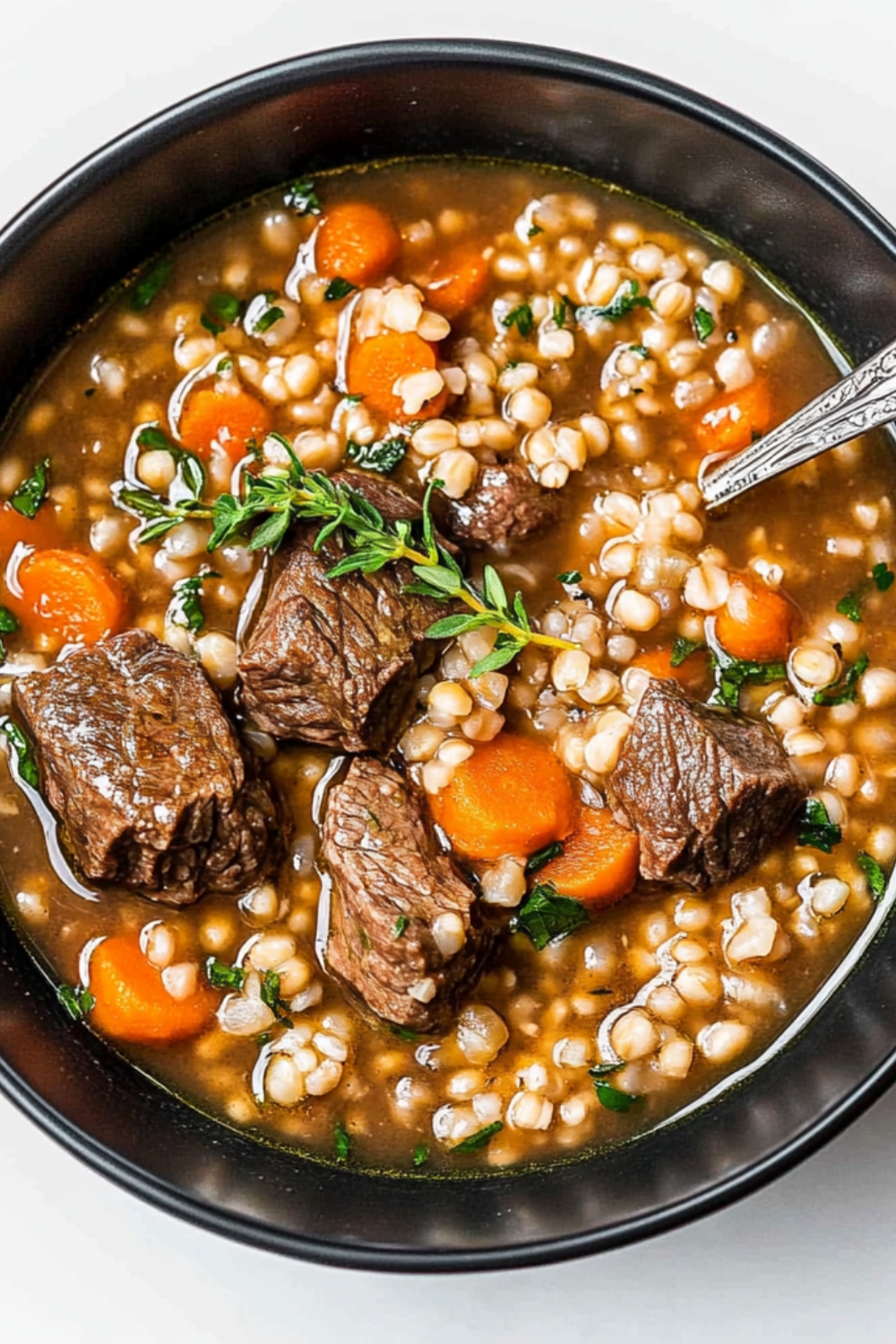
beef barley soup boasts fall-apart tender beef, perfectly chewy barley, and a broth so rich and flavorful it seems to cling to every spoon. It’s a one-pot wonder, packed with nutritious whole grains and an abundance of vegetables, making it not just delicious but incredibly wholesome.
The Heart of the Bowl: Why Beef Barley Soup Charms So Many
What makes
beef barley soup a perennial favorite in households around the world? It’s a symphony of textures and flavors that simply works. The robust beef, typically chuck, breaks down beautifully during a slow simmer, becoming incredibly tender and juicy. This contrasts wonderfully with the unique, slightly nutty, and delightfully chewy texture of pearled barley, a whole grain that adds both substance and a fantastic mouthfeel to the soup.
Beyond the star ingredients, the classic mirepoix of carrots, celery, and onion contributes a foundational sweetness and aroma, while a well-developed broth ties everything together. It’s a dish that embodies rustic elegance, promising both satiety and comfort. During chilly evenings, there's nothing quite like gathering around a bowl of this hearty soup, making it a staple for many families throughout the winter season. The nutritional benefits are an added bonus; barley is a fantastic source of fiber, and the abundance of vegetables ensures you're getting a good dose of vitamins and minerals.
Common Pitfalls and How to Avoid Them: Building Flavor Like a Chef
While
beef barley soup seems straightforward, achieving that "bistro" quality often comes down to mastering a few critical steps that many home cooks overlook. The difference between a bland, forgettable soup and one that truly sings lies in how you layer flavors. As some culinary experts point out, simply "dumping and simmering" ingredients often results in weak broth, grey meat, and mushy barley – a culinary confusion rather than a comforting classic.
To elevate your soup, you need to think like a chef, focusing on building a deep, rich flavor foundation. Here’s where most recipes go wrong and how to fix it:
*
Insufficient Searing of Beef: This is arguably the most crucial step. Rushing the sear or overcrowding the pan leads to steamed, grey meat rather than deeply browned, caramelized pieces. The Maillard reaction – the chemical reaction that gives browned food its distinctive flavor – is key here. Without a good sear, you lose the foundational layer of savory depth for your entire soup.
*
Rushed Deglazing: Just adding wine isn't enough; it needs to be properly reduced. Wine serves a dual purpose: it deglazes the pan, lifting all those flavorful browned bits (the fond) from the bottom, and as it reduces, its acidity mellows, and its complex flavors concentrate, adding body and richness to the broth, not just a sharp alcoholic taste.
*
Incorrect Barley Timing: Many recipes call for adding barley at the beginning, which can result in overcooked, mushy grains. For that ideal "toothsome" chewiness, barley needs to be added at the right time in the cooking process, typically after the beef has had a chance to tenderize significantly.
*
Missing Depth-Building Ingredients: Sometimes, a soup just needs a little extra something. Ingredients like Worcestershire sauce and fresh thyme are often overlooked but are "secret handshakes" that add incredible umami depth and aromatic complexity.
By focusing on these often-skipped steps, you can avoid "hospital food" and create a truly memorable comfort dish. For an even deeper dive into these techniques, you might enjoy reading
Gordon Ramsay's Secrets for Restaurant-Quality Beef Barley Soup.
Key Ingredients That Actually Matter
Every ingredient plays a role in the symphony of flavors. Choosing the right ones and understanding their function is paramount:
*
Beef Chuck (2 lbs / 908g): This cut is ideal because it's rich in collagen. As it slowly simmers, the collagen breaks down into gelatin, resulting in incredibly fork-tender bites that also enrich the broth. Avoid lean stew meat, which can become tough and dry.
*
Olive Oil (3 tbsp): Used for searing. A high-quality olive oil adds flavor. Remember not to crowd the pan during searing, or your beef will steam instead of brown.
*
Mirepoix (Onion, Celery, Carrots): The classic aromatic base. Cut them evenly to ensure they cook consistently. They provide a sweet, earthy foundation.
*
Garlic (3 cloves, minced): Adds a beautiful aromatic depth. Always add it towards the end of sautéing vegetables to prevent burning.
*
Dry Red Wine (¾ cup / 180ml): Merlot or Cabernet Sauvignon works beautifully. The key is "dry" – avoid anything sweet, as it will throw off the flavor balance.
*
Low-Sodium Beef Broth (6 cups / 1.5L): Using low-sodium allows you to control the salt content. While homemade broth is always best, a good quality boxed broth is perfectly acceptable.
*
Worcestershire Sauce (1 tbsp / 15g): This is a powerful umami booster, adding a complex savory depth and a subtle hint of sweetness that rounds out the flavors.
*
Fresh Thyme (3 sprigs): Fresh herbs make a significant difference. Thyme adds an earthy, aromatic note that dried thyme simply can't replicate with the same intensity.
*
Pearled Barley (1 cup / 200g): This is the ideal type of barley for its nutty flavor and toothsome chew. Do not substitute quick-cooking barley, as it will turn to mush and lack the desired texture. Rinsing it before use can help prevent excess starch from thickening the broth too much.
*
Salt & Pepper: Seasoning as you go, rather than just at the end, is critical for building layers of flavor. Taste and adjust throughout the cooking process.
*
Italian Parsley (¼ cup, minced): Added right before serving, fresh parsley brightens the dish with a pop of color and a fresh, herbaceous note.
Mastering the Method: Step-by-Step to Bistro Perfection
Creating an exceptional
beef barley soup is all about technique and patience. Follow these steps for restaurant-quality results:
1.
Sear the Beef with Precision: Begin with a hot, heavy-bottomed pot, ideally a Dutch oven or an enamel-coated cast iron pot. Add olive oil and let it shimmer. Crucially, pat your beef chuck dry with paper towels and season it generously with salt and pepper. Sear the beef in batches, ensuring not to crowd the pan. Allow each piece to develop a deep, golden-brown crust on all sides before turning – resist the urge to move it too soon! This Maillard reaction is your first major flavor builder. Once browned, remove the beef and set it aside.
2.
Sauté the Vegetables and Build the Fond: In the same pot, with all those delicious browned bits (fond) remaining, add your diced onion, celery, and carrots. Stir and scrape the bottom of the pot, allowing the vegetables to soften and absorb the fond for 5-6 minutes. This process sweetens the vegetables and further enhances the base flavor. Add minced garlic for the last minute of cooking, just until fragrant, to prevent it from burning.
3.
Deglaze with Wine and Reduce: Crank up the heat. Pour in the dry red wine and use a wooden spoon to vigorously scrape every caramelized bit off the bottom of the pot. This is where the wine really works its magic. Let the wine reduce by at least half; it should smell rich and fragrant, not sharp or alcoholic. This concentrates the wine's flavor and builds body for your broth.
4.
Build the Broth and Simmer: Return the seared beef to the pot. Pour in the low-sodium beef broth, add the Worcestershire sauce, and nestle in the fresh thyme sprigs. Bring the mixture to a rolling boil, then reduce the heat to a gentle simmer, cover, and cook for 1.5 to 2 hours, or until the beef is incredibly tender and easily pulls apart with a fork. This slow simmer is key to developing a deep, complex broth and breaking down the beef. If you prefer a hands-off approach, this stage can also be adapted for a slow cooker for maximum convenience and tender beef, as some recipes suggest for an "easiest ever" winter soup.
The Barley Timing: The Secret to Perfect Chewiness
The key to preventing mushy barley is *when* you add it. Add the pearled barley to the pot after the beef has had ample time to tenderize – roughly 30-45 minutes before you anticipate the soup being ready. This timing allows the barley to cook through, becoming beautifully toothsome and nutty, without turning into an overcooked paste. Stir it in well, ensure it's submerged, and continue to simmer until it's cooked to your desired tenderness.
Beyond the Basics: Elevating Your Beef Barley Soup Further
Once you've mastered the foundational techniques, feel free to experiment and make your
beef barley soup truly your own.
*
Additional Vegetables: Consider adding other root vegetables like parsnips or diced potatoes along with the barley for extra heartiness and flavor. A handful of fresh spinach or kale stirred in during the last few minutes of cooking can also add a vibrant touch and nutritional boost.
*
Herbs and Spices: While thyme is essential, a bay leaf added during the simmer can lend another layer of subtle complexity. A pinch of smoked paprika can add a hint of smoky depth.
*
Finishing Touches: A splash of good quality balsamic vinegar or a squeeze of fresh lemon juice right before serving can brighten the entire dish, cutting through the richness and enhancing other flavors.
*
Garnish Game: Don't underestimate the power of a good garnish! Beyond fresh Italian parsley, consider a swirl of crème fraîche or sour cream, a sprinkle of freshly grated Parmesan cheese, or even homemade croutons for added texture.
*
Make-Ahead Magic: Beef barley soup is often even better the next day, as the flavors have more time to meld and deepen. It stores beautifully in the refrigerator for 3-4 days and freezes exceptionally well, making it a perfect make-ahead meal for busy weeks.
Whether you're crafting a hearty family dinner or a sophisticated bistro-style meal, these pro tips will ensure your
beef barley soup is always a triumph. For more comforting, family-friendly recipes, you might enjoy
Cozy & Chewy: Your Family's Favorite Beef Barley Soup Recipe.
Conclusion
Transforming your
beef barley soup from a simple supper to a culinary delight is entirely within reach. By focusing on fundamental chef techniques like proper searing, mindful deglazing, and precise ingredient timing, you unlock a depth of flavor and texture that elevates this beloved comfort food to new heights. No more bland broth or mushy grains – just rich, savory goodness, tender beef, and perfectly chewy barley in every spoonful. Embrace these professional insights, and prepare to impress your family and friends with a homemade
beef barley soup that rivals any restaurant creation. It’s truly food for the soul, refined.